A World of Many Measures
Why is a mile 5,280 feet? Why does water freeze at 32°F but 0°C? The history of measurement is a history of human civilization, trade, and occasionally, stubbornness.
From Body Parts to Light Waves
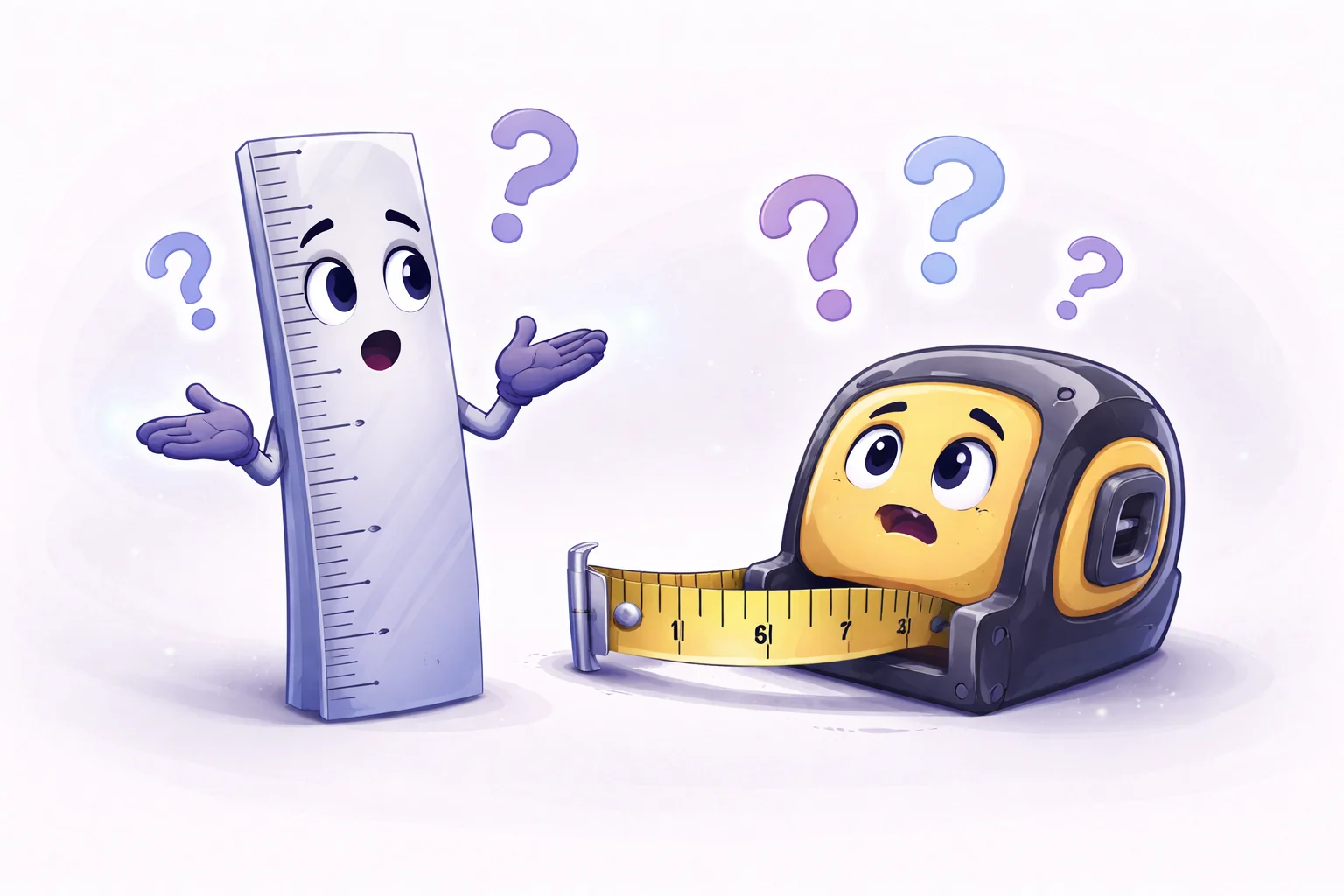
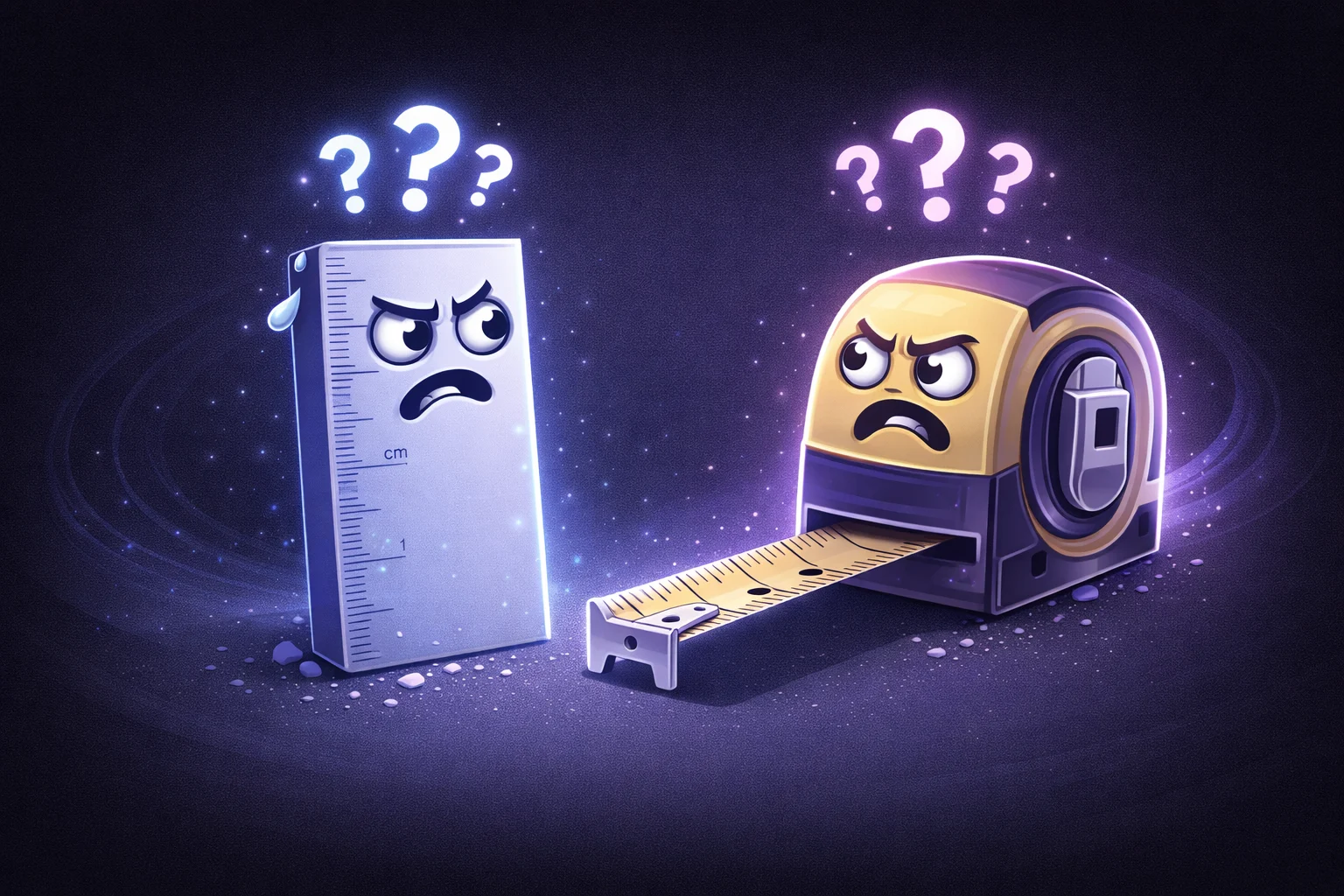
Historically, units were based on the human body. A 'foot' was literally the length of a foot. A 'cubit' was the forearm. This was convenient but inconsistent. Today, the metric system defines units using universal constants of physics, like the speed of light.
The $125 Million Mistake
In 1999, NASA lost the Mars Climate Orbiter because one team used metric units (Newtons) and another used imperial units (pound-force). A simple conversion error caused the spacecraft to burn up in Mars' atmosphere.
The Metric System (SI)
Used by almost every country on Earth. It's decimal-based (powers of 10), making calculations easy. 1000 meters = 1 kilometer.
Imperial / US Customary
Used primarily in the United States, Liberia, and Myanmar. It relies on historical ratios (12 inches = 1 foot, 16 ounces = 1 pound).
Common Conversions
- Temperature: 0°C = 32°F (Freezing point of water)
- Distance: 1 mile ≈ 1.6 kilometers
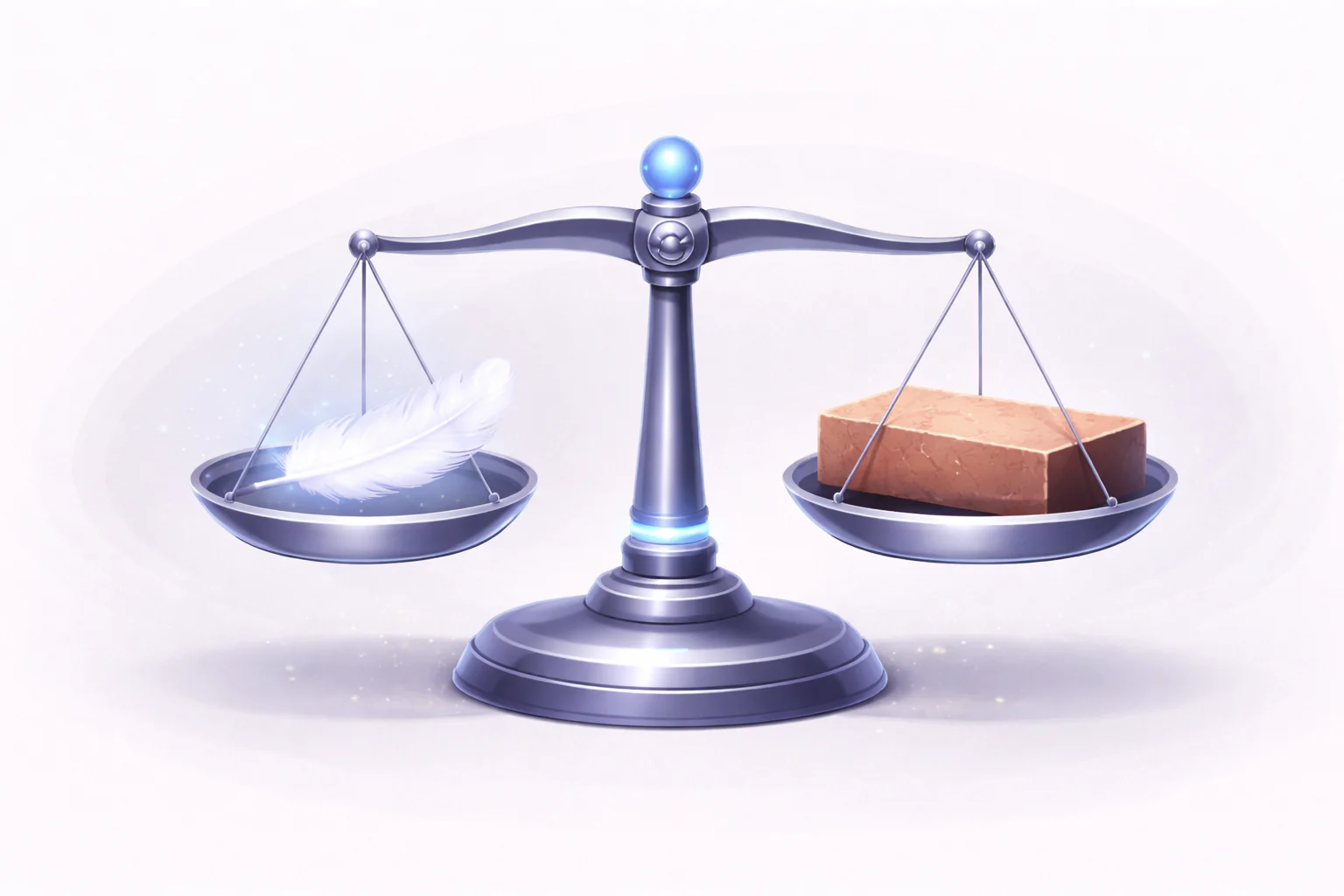
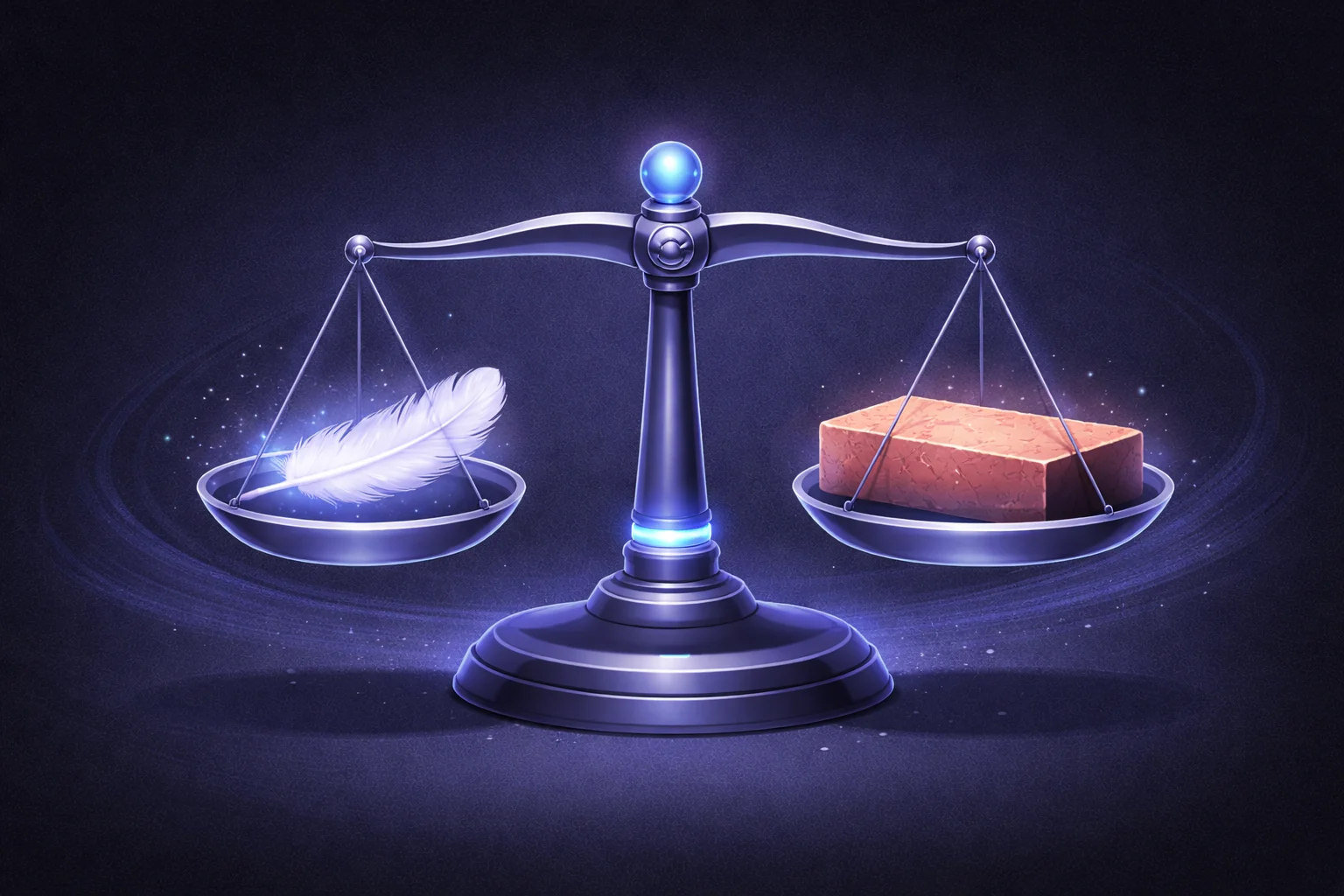
- Weight: 1 kilogram ≈ 2.2 pounds