The Square That Changed the World
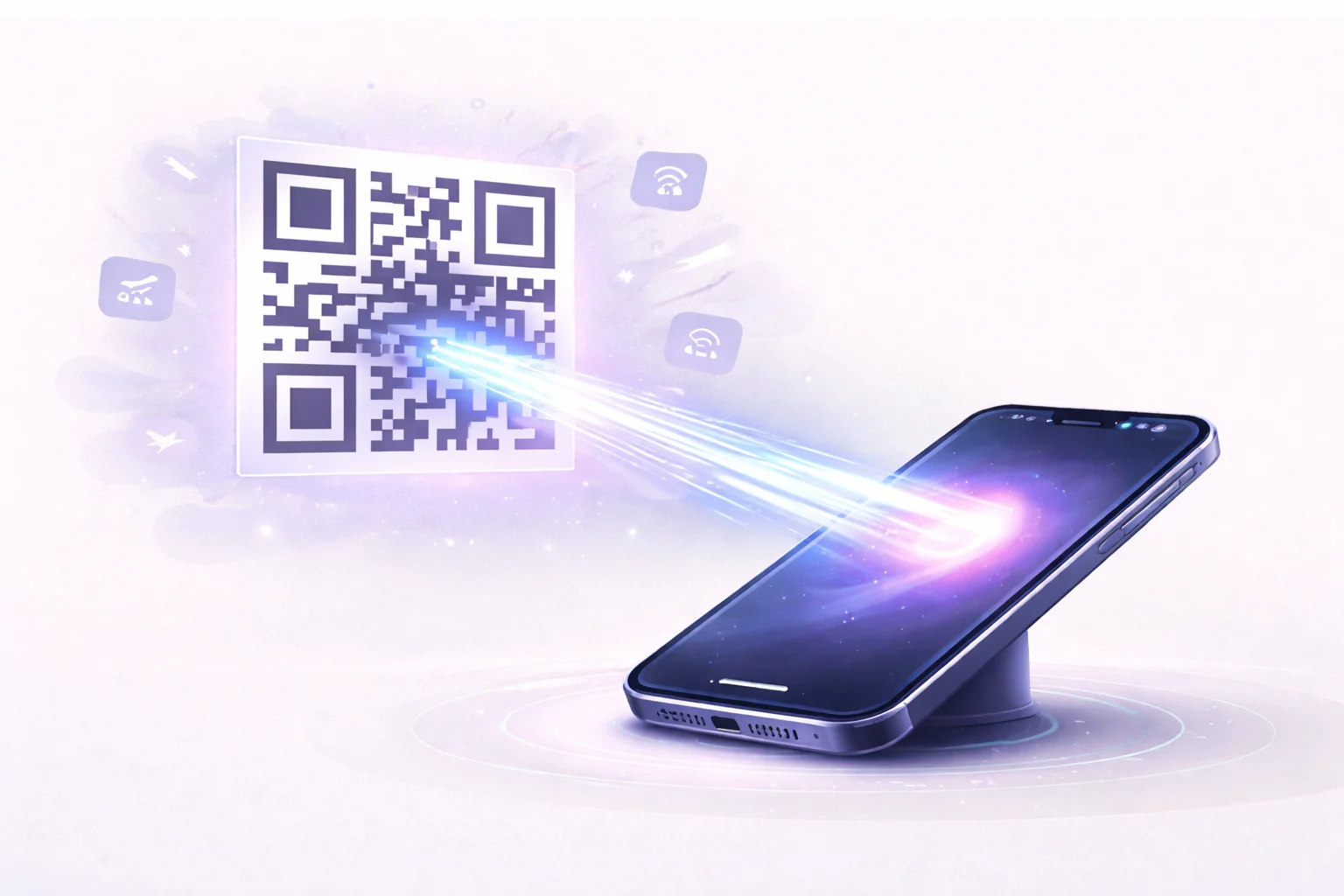
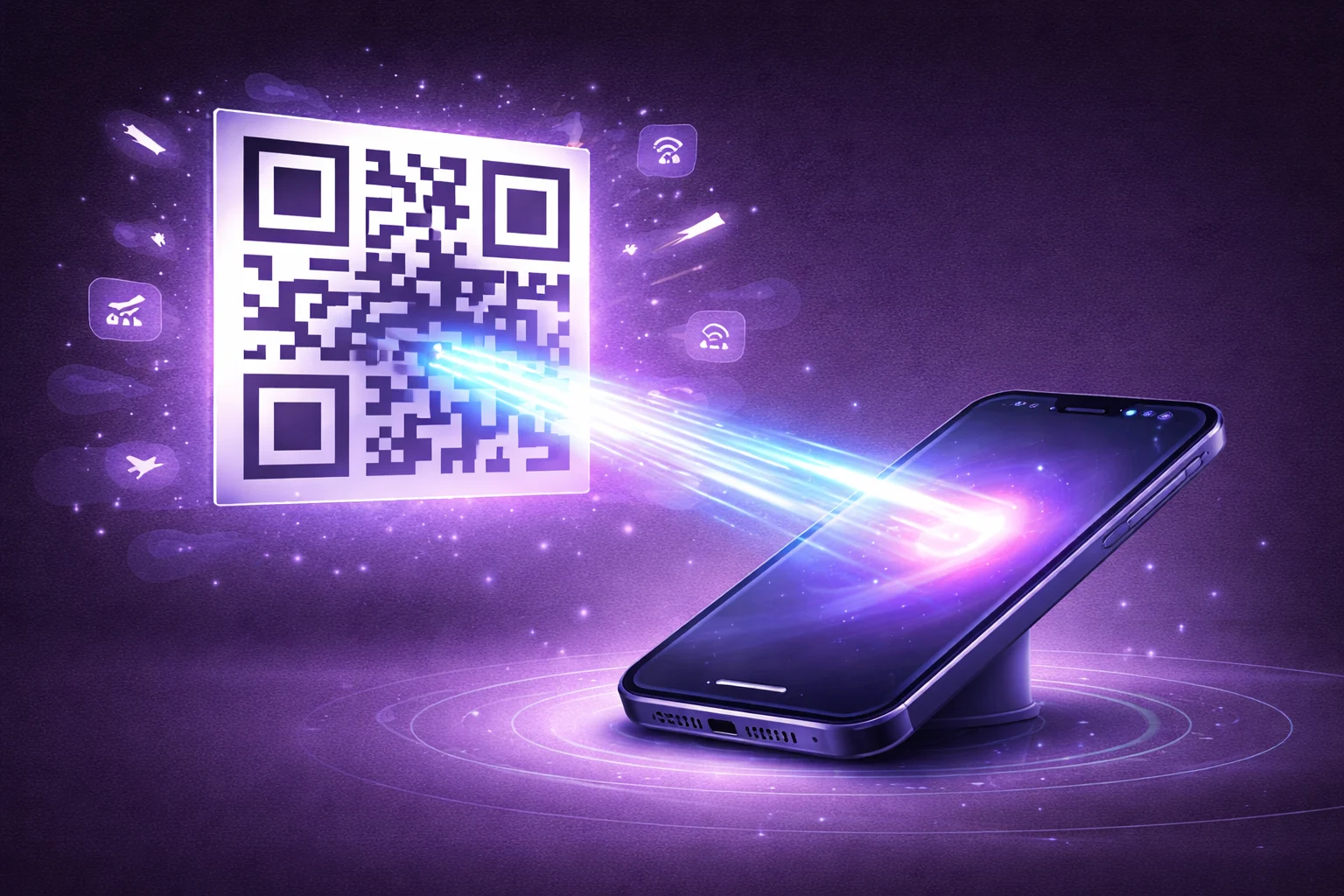
QR Codes (Quick Response Codes) are everywhere—from restaurant menus to billboard ads. But these pixelated squares are more than just random noise; they are a sophisticated way to bridge the physical and digital worlds.
Origins in Automotive
Invented in 1994 by Masahiro Hara at Denso Wave (a Toyota subsidiary), QR codes were originally designed to track vehicle parts during manufacturing. They needed a code that could hold more data than a barcode and be scanned quickly—hence 'Quick Response'.
Anatomy of a QR Code
Finder Patterns
The three large squares in the corners tell the scanner 'This is a QR code' and help it understand the orientation.
Data Modules
The black and white dots in the middle contain the actual information (binary data).
Error Correction
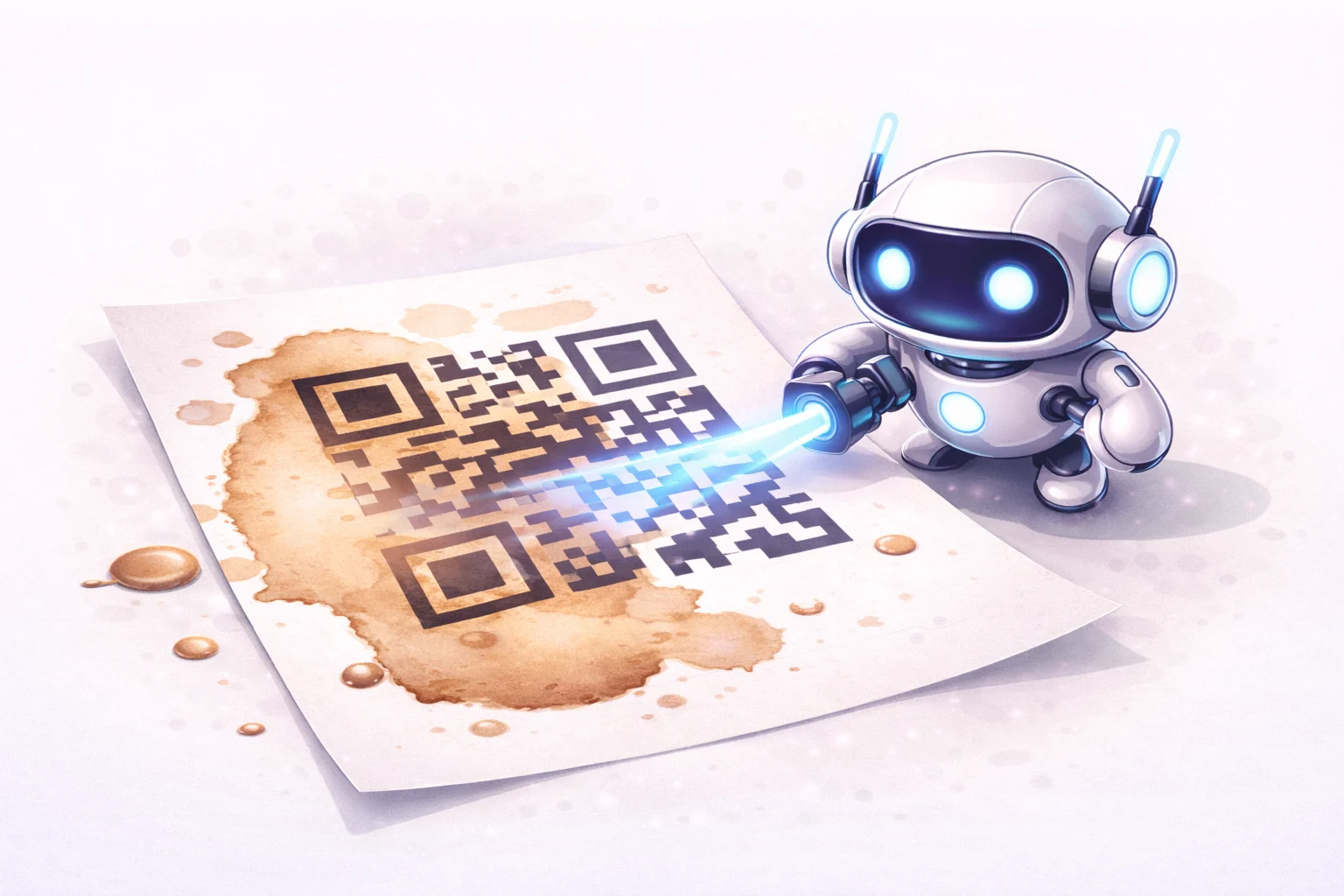
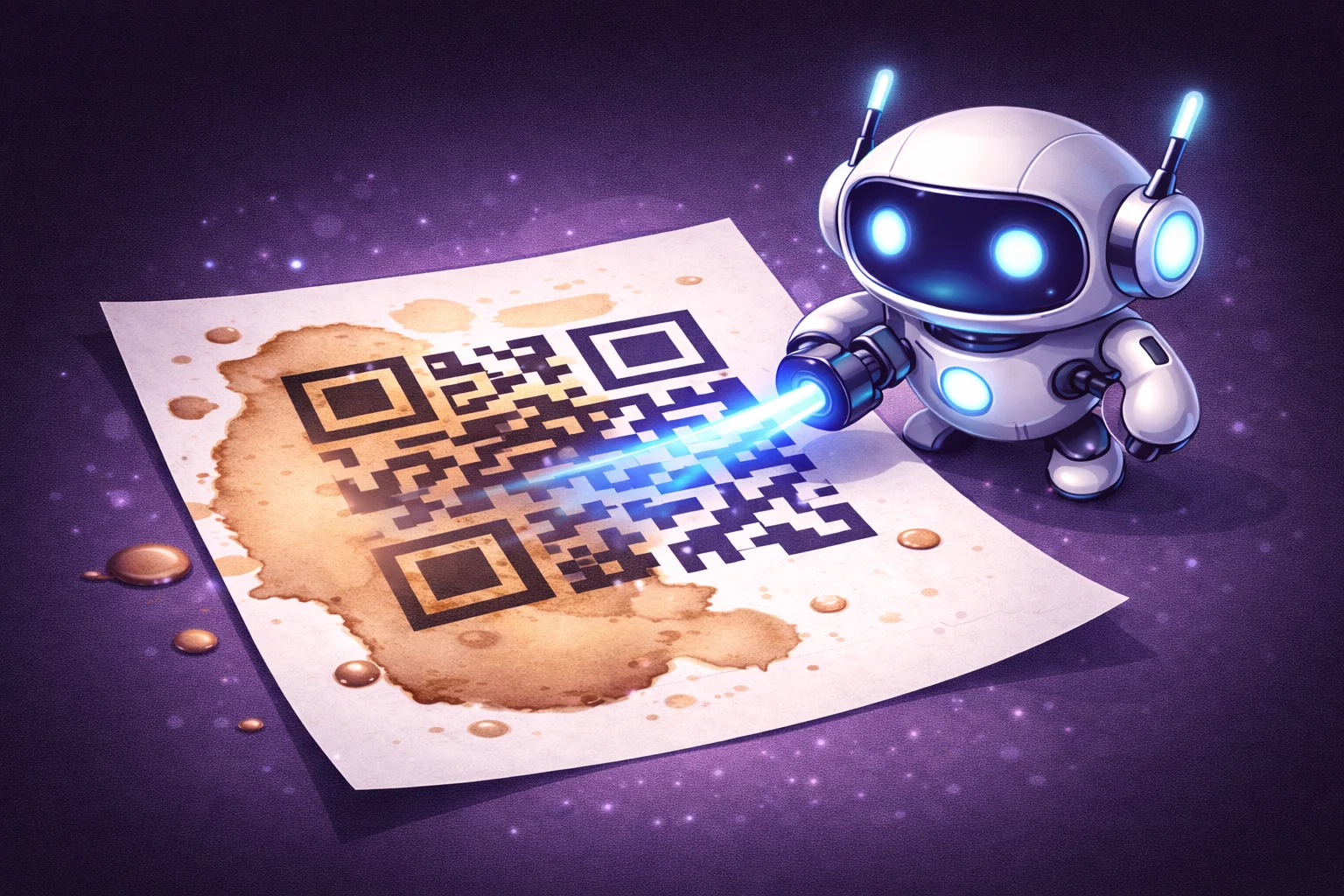
QR codes include redundant data. This means they can still be read even if up to 30% of the code is damaged or dirty.
Beyond the Factory Floor
- WiFi Access: Share your network without typing long passwords.
- Digital Payments: Scan to pay is standard in many countries.
- Marketing: Instant links to websites, videos, or app downloads.
Stay Safe
While QR codes themselves are harmless, they can link to malicious websites. Always verify the source before scanning unknown codes. Learn more about the technology on Wikipedia.